There is a particular kind of frustration that shows up on almost every fit out in Hong Kong once the ceiling comes down. A control system was specified early, the wrong one, and now a contractor is pulling cable through a void that was never designed for it, on a programme that never had room for delay in the first place.
That gap between what a control system promises on paper and what it costs to actually install is the reason QALIUM exists.
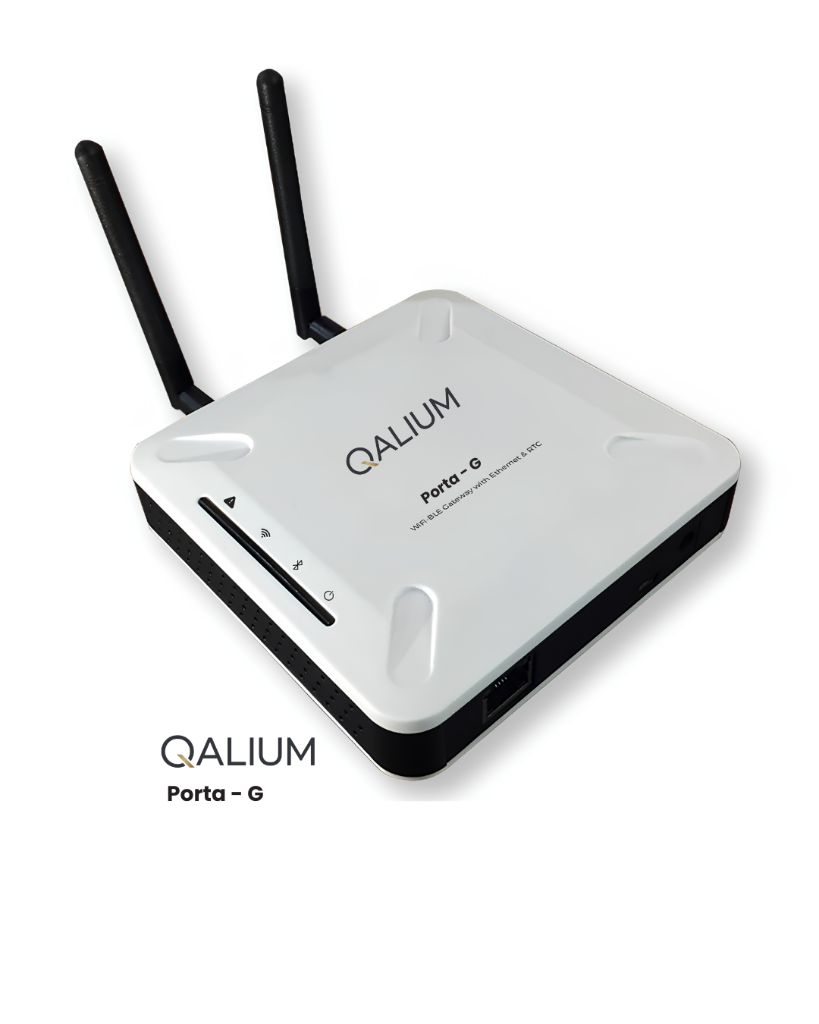
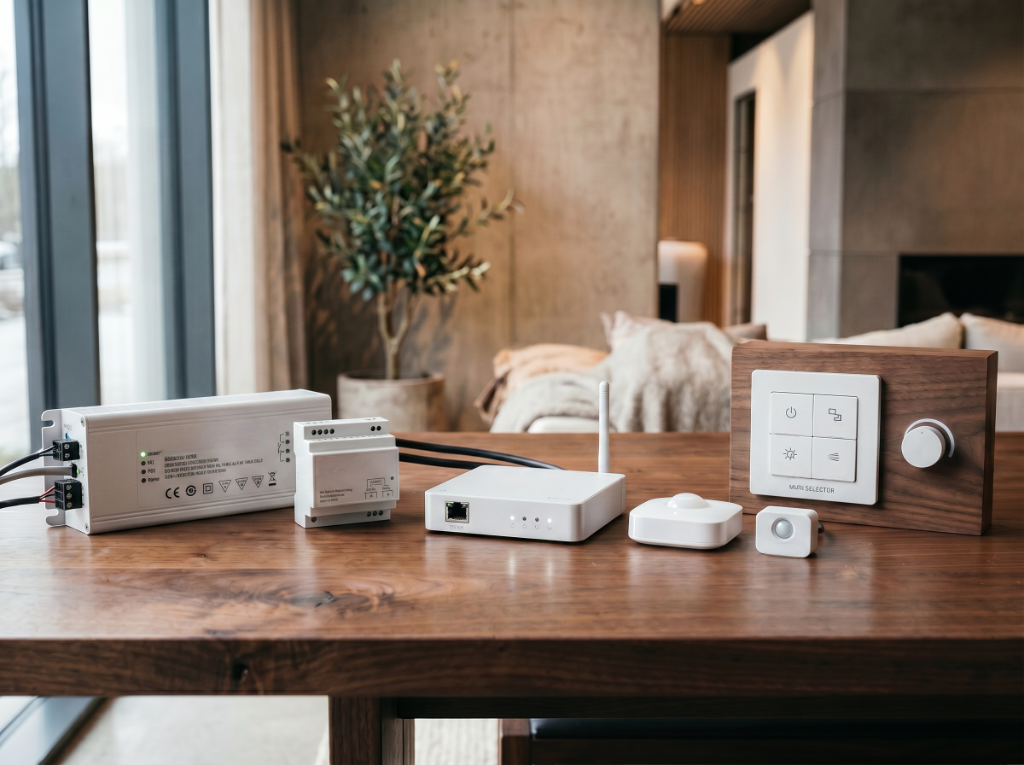
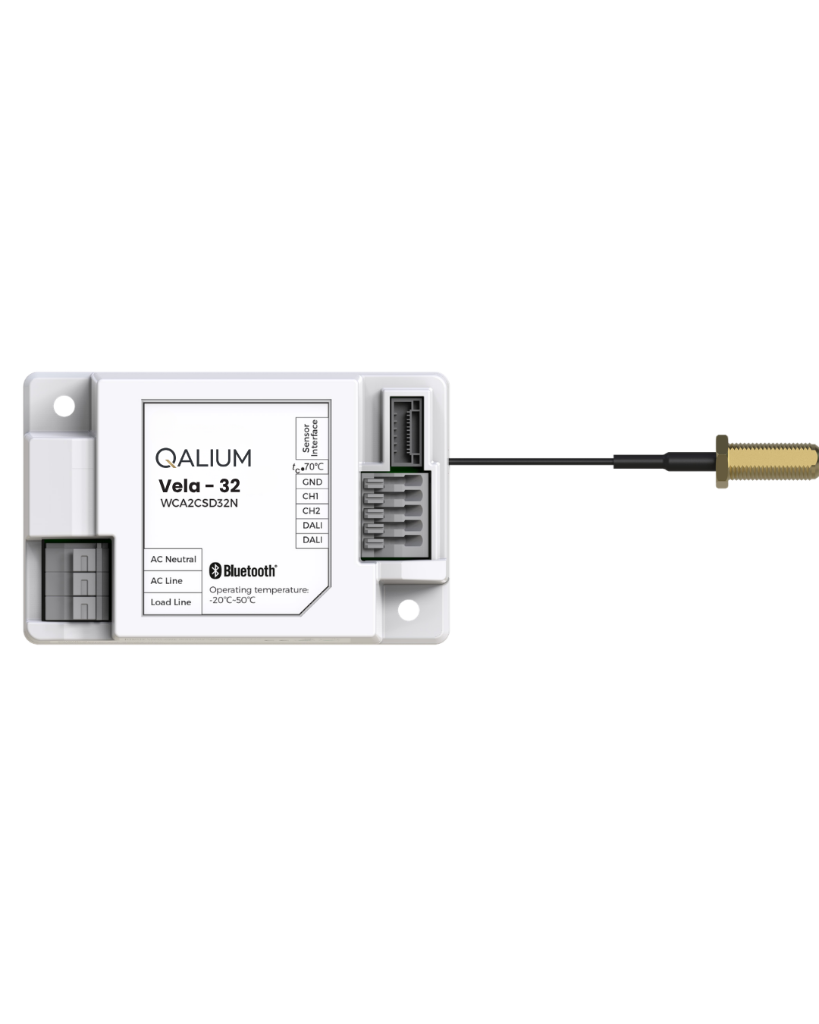
We are a lighting control brand built around one working assumption: control should serve the space, not complicate it. Our Signature Universe spans the full stack that a project actually needs, from DALI and 0 to 10V dimming to RGB colour control, sensors, LED drivers, and a Bluetooth gateway for commissioning and building management integration. Every layer is wireless by design, which in practice means installation that runs up to 40 percent faster than a traditional wired system, with none of the cabling that adds cost, waste, and risk to a live site.
We built QALIUM around three groups who rarely get a product that speaks their language. Lighting designers get a system that respects specification authority instead of overwriting it. Interior architects get invisible infrastructure that leaves the fabric of a space untouched. Electrical contractors get faster commissioning and documentation that does not require a translator.
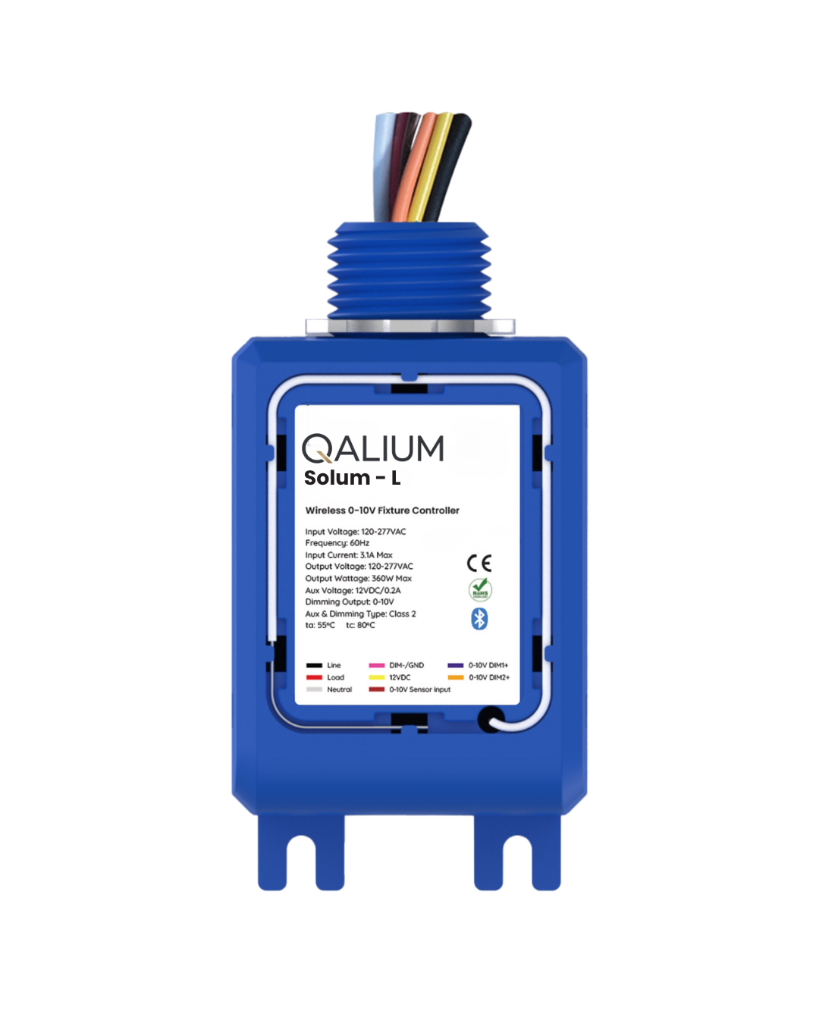
Control should serve the space, not complicate it.
The category has drifted toward proprietary ecosystems that lock a project into one vendor for its next refurbishment too, and toward jargon that has very little to do with how a real building gets built. Integrated control can add 18 to 25 percent to project cost when it is specified badly, and unclear documentation is a common cause of rework on site. We think that is solvable with a protocol honest system, full documentation, and BIM ready assets from day one.

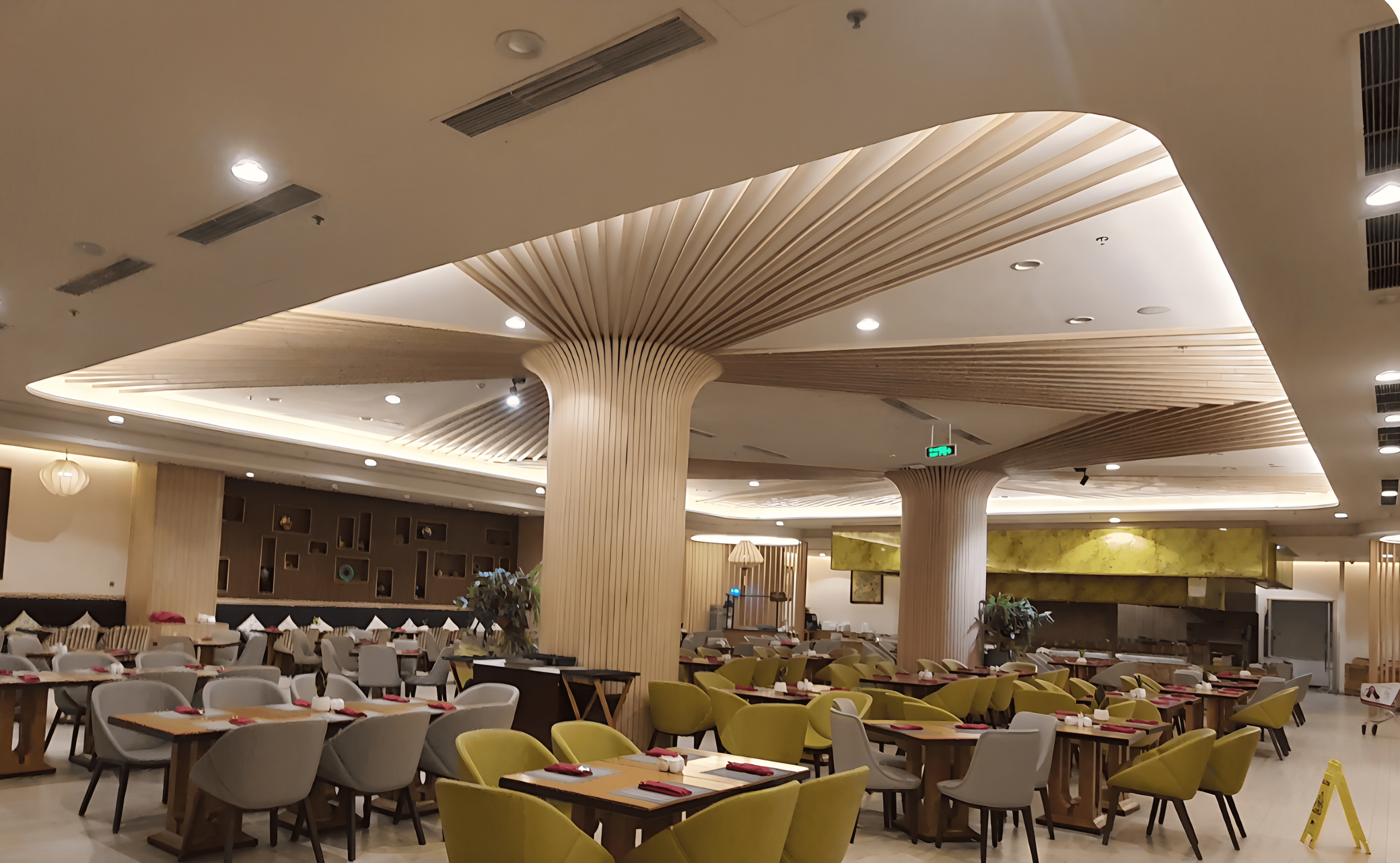
QALIUM's Signature Universe is already specified across luxury hospitality, high end retail, commercial fit outs, and luxury residential projects internationally, and Hong Kong sits at the centre of where we build and support it.
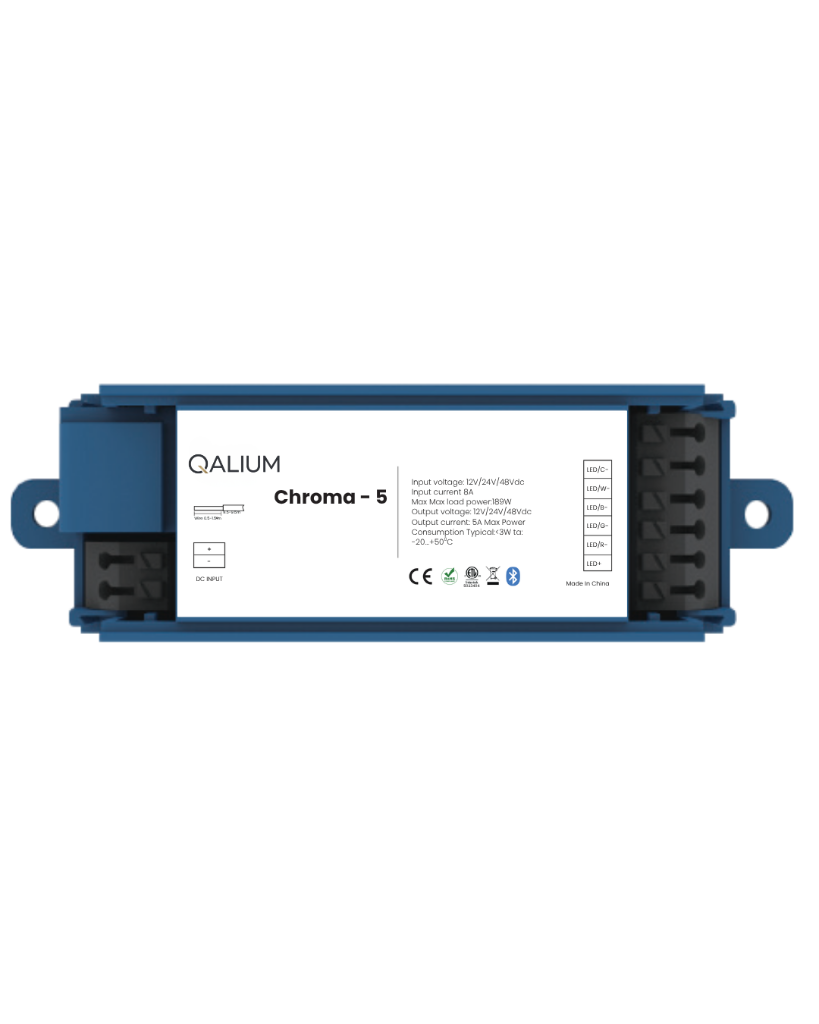
Over the coming months, this Journal will cover the projects, the products, and the thinking behind them in more detail, starting with a look at how wireless control performs on a live retail retrofit. If you are specifying a project now and want to talk through the system before drawings are locked, our team is a message away.